
In many Massachusetts homes, the bathroom layout is not exactly wrong. It just feels… outdated.
Everything technically works. The sink is where it has always been. The tub still holds water. The door opens and closes without a problem. But the space does not feel easy to use anymore.
That usually becomes noticeable in small moments. Not enough room to move. Storage that never quite fits what you need. A layout that feels tighter than it should.
And that is where layout starts to matter more than finishes.
When homeowners begin looking into bathroom remodel layout ideas, especially in older properties, they often realize that changing the structure of the space makes a bigger difference than simply replacing materials.
Why Older Bathroom Layouts Feel Limited
Many homes in areas such as Andover, Tewksbury, and Wilmington date back decades.
Bathrooms were smaller. Storage needs were lower. The way people used the space was different.
You can still see that in many layouts today.
- Vanities are compact and offer minimal storage
- Tubs take up most of the usable floor space
- Doors swing into already tight areas
- Plumbing placement limits flexibility
None of these things are major issues on their own. But together, they make the bathroom feel less functional than it could be.
That is why layout changes often become a key part of bathroom renovation design in MA, especially in older homes.
Rethinking the Shower and Tub Area
One of the most common layout upgrades involves the shower or tub.
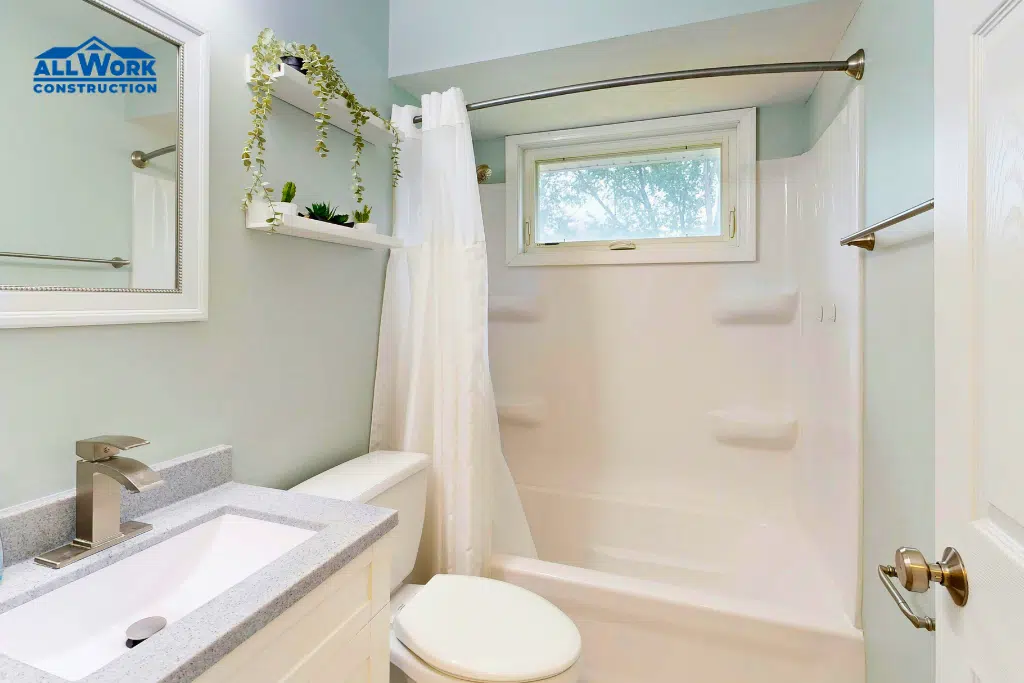
Traditional setups often combine both into one unit, placed along a single wall. It saves space, but it does not always make the room easier to use.
Replacing that setup with a walk-in shower can completely shift how the bathroom feels.
Not necessarily larger. Just more open.
Glass panels instead of curtains. Better use of corner space. Easier access. Even small adjustments like this can improve flow without changing the entire footprint.
In homes where space allows, separating the tub and shower can create a more balanced layout. But in many Massachusetts bathrooms, especially older ones, the goal is usually to simplify rather than expand.
Making Better Use of Wall Space
Storage plays a bigger role in layout than most people expect.
In older bathrooms, storage was often limited to a small vanity or a basic medicine cabinet. That worked when fewer items were involved. It does not work as well today.
Instead of adding bulky furniture, many remodels focus on integrating storage into the structure.
- Recessed niches inside showers
- Built-in shelving between studs
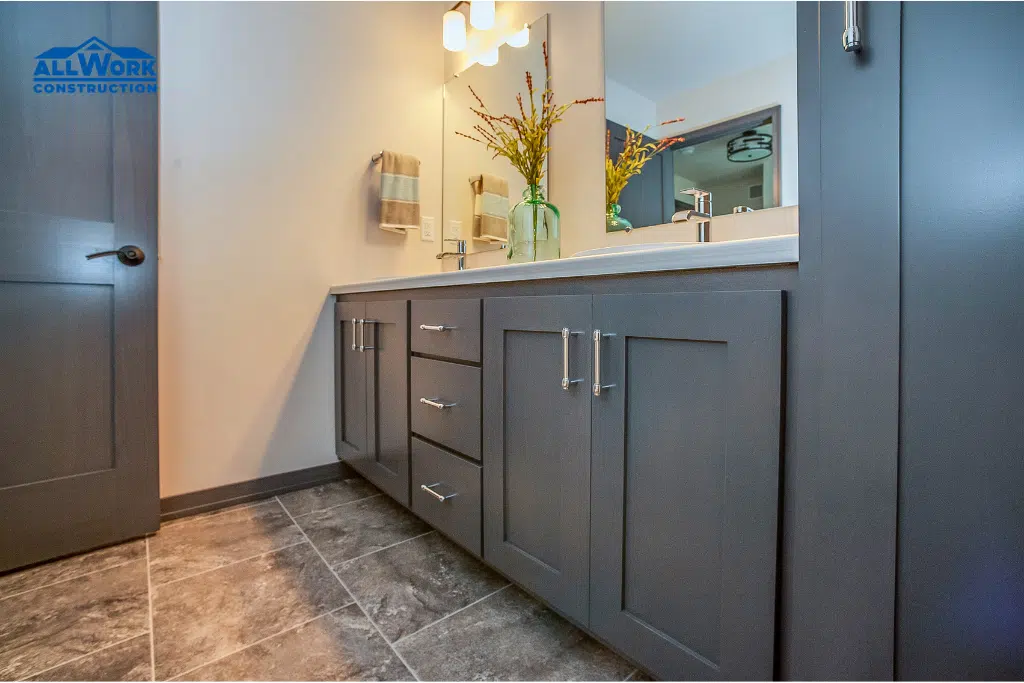
- Taller vanities with deeper drawers
- Wall-mounted cabinets that do not take up floor space
These changes do not require major structural work, but they significantly improve how the space functions.
This approach is common in projects like bathroom remodeling in Andover, MA, where homeowners want better usability without expanding the room itself.
Adjusting the Vanity Placement
The vanity often defines how the rest of the bathroom feels.
In many older layouts, it is placed wherever plumbing originally allowed, not where it makes the most sense.
Moving it slightly, even by a few inches, can open up walking space or improve how the room flows.
In some cases, switching from a single sink to a more compact design creates additional room for storage or movement. In others, a floating vanity can make the space feel less crowded visually.
These are not dramatic changes, but they tend to have a noticeable impact.
Working Around Structural Limits
Not every layout can be completely redesigned.
Older homes come with constraints. Load-bearing walls, existing plumbing lines, and limited square footage all play a role.
That is why many bathroom remodel layout ideas are about working within those limits rather than trying to remove them entirely.
Instead of relocating everything, the focus shifts to:
- Improving flow within the existing footprint
- Reducing visual clutter
- Making better use of underutilized areas
Contractors familiar with homes in Tewksbury or Wilmington often approach layout planning this way. It keeps the project more efficient while still delivering meaningful improvements.
Creating a Layout That Feels Natural
A good bathroom layout does not draw attention to itself.
It just works.
You move through the space without thinking about it. Storage is where you expect it to be. Lighting supports what you are doing. Nothing feels in the way.
That kind of result usually comes from planning rather than design alone.
In projects like bathroom remodeling in Tewksbury, MA, or bathroom renovation in Wilmington, the most successful layouts are not always the most complex ones. They are the ones that quietly solve everyday problems.
Small Changes That Make a Big Difference
Not every layout improvement requires moving walls or changing plumbing.
Sometimes the most effective updates are small:
- Repositioning a mirror for better lighting
- Changing door swing direction
- Replacing bulky fixtures with more compact options
- Opening up visual space with lighter materials
Individually, these changes may not seem significant. Together, they can completely shift how the bathroom feels.
Thinking Beyond the Initial Idea
Many homeowners begin a remodel with a clear picture in mind.
New tile. Updated fixtures. A modern look.
But once the process starts, the focus often changes.
Layout becomes the priority.
Because in the end, a bathroom is not just something you look at. It is something you use every day. And if the layout works, everything else tends to fall into place naturally.