
If you’ve begun your research on tub-to-shower conversions, you’ve likely already observed a discrepancy in online prices. One website says it’s affordable and quick. Another makes it sound like a major renovation with a five-figure price tag.
The truth sits somewhere in the middle.
A tub-to-shower conversion is a smart bathroom upgrade, but only if you know what drives the cost. Let’s break it down in a way that reflects real homes, not marketing brochures.
Why Tub-to-Shower Conversions Are So Popular Right Now
Homeowners are choosing showers over tubs for practical reasons, not trends. Showers are easier to get into and easier to clean and make smaller bathrooms feel more open. For many people, the bathtub just becomes wasted space.
That said, “conversion” doesn’t mean the same thing for every home. Some projects are straightforward. Others uncover issues that change the scope—and the budget.
The Condition of Your Existing Bathroom Matters More Than Anything
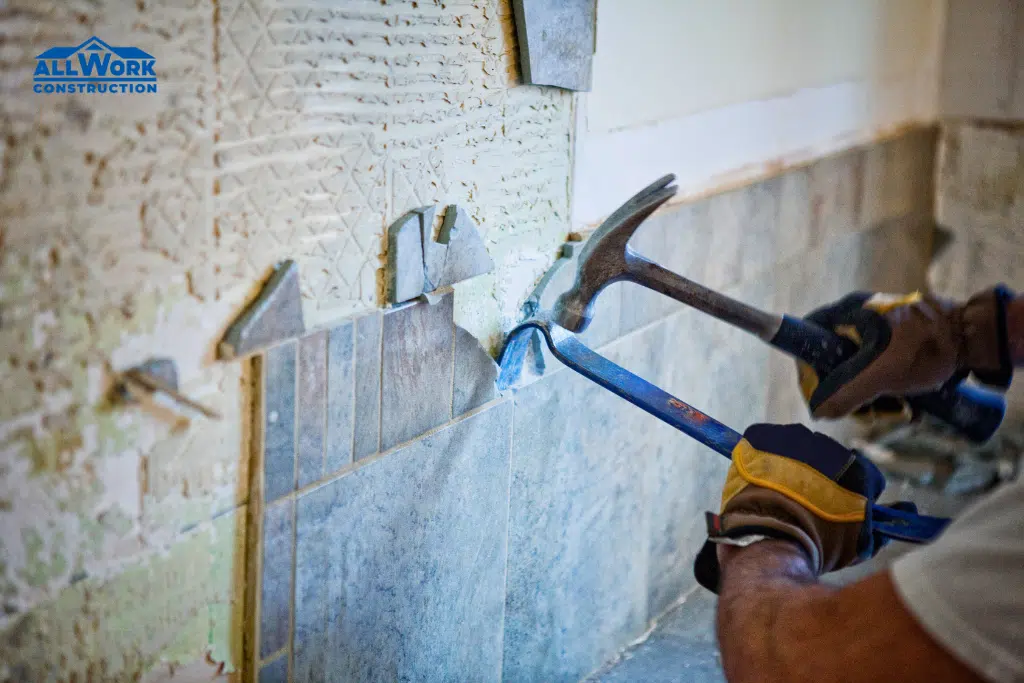
What’s hidden behind your current bathtub is the single biggest factor in cost.
If the plumbing is in excellent shape, the walls are solid, and there’s no water damage, the project stays relatively simple. However, older homes often present a different picture. Rotting subfloors, outdated pipes, or improper waterproofing can add work that wasn’t obvious at first glance.
This is why two neighbors can get quotes that look nothing alike, even with similar bathrooms.
Material Choices Can Quietly Raise (or Lower) the Price
At first, materials all look similar online. In reality, they behave very differently over time.
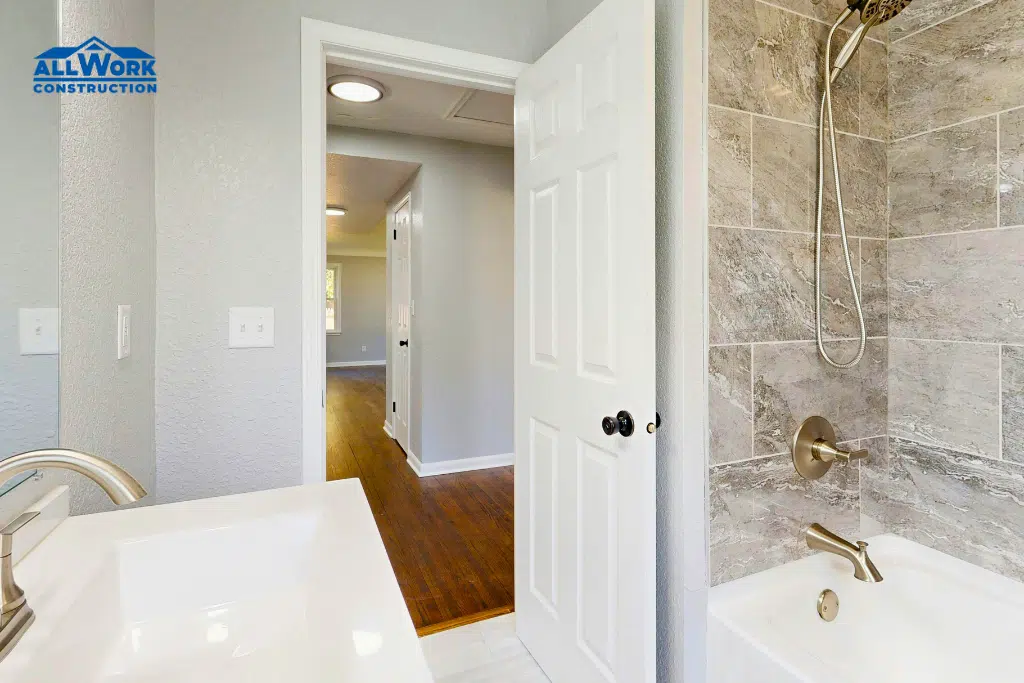
Acrylic wall panels are often more affordable and easier to maintain. Tile can look wonderful but usually requires more labor, more prep, and more long-term upkeep. Shower bases, fixtures, glass doors, and finishes all stack onto the final number faster than most homeowners expect.
It’s rarely one big decision that changes the price—it’s several small ones added together.
Custom Layouts Cost More Than Standard Replacements
If your new shower fits into the same footprint as the old tub, costs stay more predictable. Once walls move, drains shift, or the layout changes, labor increases.
Custom benches, niches, curbless entries, or expanded shower spaces all add complexity. None of these are undesirable ideas—but they should be chosen intentionally, not as last-minute upgrades.
Labor Is About Skill, Not Speed
A common misconception is that faster means cheaper. In reality, experienced bathroom contractors charge for precision, not just time.
Proper waterproofing, clean plumbing connections, and correct installation prevent leaks and failures years down the road. Cutting corners might save money upfront, but it often leads to repairs that cost far more later.
Such precaution is especially important in tub-to-shower conversions, where water exposure increases significantly.
Permits and Local Requirements Can Affect Pricing
Depending on where you live, permits may be required for plumbing changes. Older homes may also need upgrades to meet current building codes.
These steps aren’t always visible in a finished bathroom, but they’re part of doing the job correctly—and they factor into the final cost.
Why Online Price Ranges Are Only Rough Estimates
You’ll see plenty of articles claiming a tub-to-shower conversion costs “between X and Y.” While those numbers can help with early planning, they don’t account for individual homes, personal preferences, or hidden conditions.
The most accurate pricing always comes after a professional evaluates the bathroom in person.
A More Realistic Way to Think About Budget
Instead of asking, “How cheap can this be?” A better question is, “What do I want this bathroom to do for me?”
For some homeowners, the goal is safety and simplicity. For others, it’s resale value or a modern look. Once that’s clear, the budget usually makes more sense—and the decisions become easier.
Final Thoughts
A tub-to-shower conversion isn’t just a cosmetic update. It’s a functional change that affects how you use your bathroom every day.
Understanding what impacts the cost helps you avoid surprises, compare quotes more confidently, and choose upgrades that actually matter to you—not just what looks appealing online.
If you approach the project with realistic expectations and the right professional guidance, it’s one of the most rewarding bathroom upgrades you can make.