
A few years ago, this question had a fairly predictable answer.
Most homeowners assumed a bathtub automatically added more resale value.
That’s changing.
In 2026, the decision between a walk-in shower and a bathtub depends far more on the following:
- how the bathroom is used
- the size of the home
- the age of the property
- buyer expectations
- and the overall layout
In many remodels across New Hampshire and Massachusetts, homeowners are no longer asking:
“Which one is better?”
They’re asking:
“Which one actually makes sense for this bathroom?”
That’s a much smarter question.
Why Walk-In Showers Became So Popular
Walk-in showers continue dominating modern bathroom remodeling for one simple reason:
They improve how the room feels to use.
Bathrooms instantly feel:
- larger
- more open
- easier to move through
- less visually crowded
That matters especially in older New England homes where bathroom layouts already tend to feel compact.
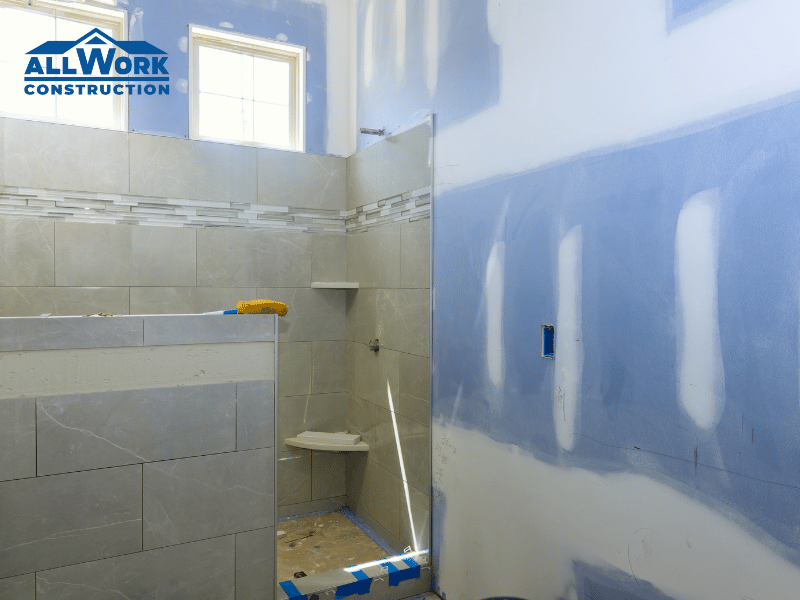
Replacing a bulky tub with a frameless or low-profile shower often changes the entire atmosphere of the room without expanding square footage at all.
That’s one reason walk-in showers have become increasingly common in homes throughout Nashua, Concord, Salem, Londonderry, and Exeter.
Bathtubs Still Matter More Than Some Homeowners Think
At the same time, bathtubs haven’t disappeared.
Not even close.
They still play an important role in:
- family homes
- homes with children
- resale flexibility
- secondary bathrooms
The mistake some homeowners make is removing every bathtub in the house without thinking long-term.
That can limit appeal later depending on the type of buyer looking at the property.
A home doesn’t necessarily need multiple tubs anymore.
But having at least one often still matters.
Walk-In Showers Usually Win in Smaller Bathrooms
Smaller bathrooms benefit from walk-in showers far more consistently than larger ones.
The reason is simple:
they free up visual and physical space immediately.
Traditional tubs tend to dominate tighter layouts. Even when they aren’t heavily used, they control the room visually.
A walk-in shower removes that heaviness.
The bathroom starts feeling:
- brighter
- cleaner
- more spacious
- easier to navigate
This becomes especially noticeable in older homes where the original bathroom footprint was already limited decades ago.
Luxury Bathtubs Don’t Always Increase Real Value
Freestanding tubs remain visually impressive.
But many homeowners overestimate how often they’re realistically used.
Large tubs can:
- consume valuable floor space
- complicate layout flow
- increase cleaning difficulty
- reduce storage opportunities
They photograph beautifully.
That doesn’t always mean they improve daily functionality.
In some bathrooms, removing an oversized tub actually improves both comfort and resale appeal because the room starts functioning more naturally overall.
Accessibility Is Changing Remodeling Decisions
One of the biggest shifts in 2026 remodeling trends is accessibility planning.
Walk-in showers support:
- easier entry
- aging-in-place design
- safer movement
- lower maintenance
Many homeowners now think beyond immediate style trends and consider how the bathroom will function years later.
That doesn’t mean every remodel needs universal design features.
But comfort and accessibility are becoming much bigger factors in remodeling decisions overall.
Resale Value Depends on the Entire Home, Not Just the Bathroom
This is where many online remodeling articles oversimplify things.
There’s no universal answer.
A walk-in shower may absolutely increase value in one home while reducing buyer appeal in another.
The difference usually comes down to context:
- number of bathrooms
- home size
- neighborhood expectations
- buyer demographics
- existing bathroom layout
A smaller secondary bathroom may benefit dramatically from a shower conversion.
A family-oriented home with only one bathtub may not.
That’s why experienced remodelers rarely approach the shower vs tub decision as purely trend-based.
The Layout Often Makes the Decision Clearer
In many remodels, the bathroom itself quietly reveals the better option.
Some layouts naturally support a spacious walk-in shower.
Others become awkward once the tub disappears.
The strongest remodels usually feel balanced rather than forced.
That’s important because homeowners sometimes try to follow trends that don’t actually fit the structure of the room.
A bathroom should feel intentional, not overcrowded with features competing for space.
Maintenance Is Becoming a Bigger Priority
Homeowners today increasingly prioritize ease of maintenance.
This influences shower decisions heavily.
Walk-in showers with:
- large tile formats
- minimal framing
- fewer hard-to-clean surfaces
often require less maintenance long-term than older tub/shower combinations.
That convenience becomes more valuable over time than many homeowners initially expect during planning.
Storage and Layout Improve After Tub Removal
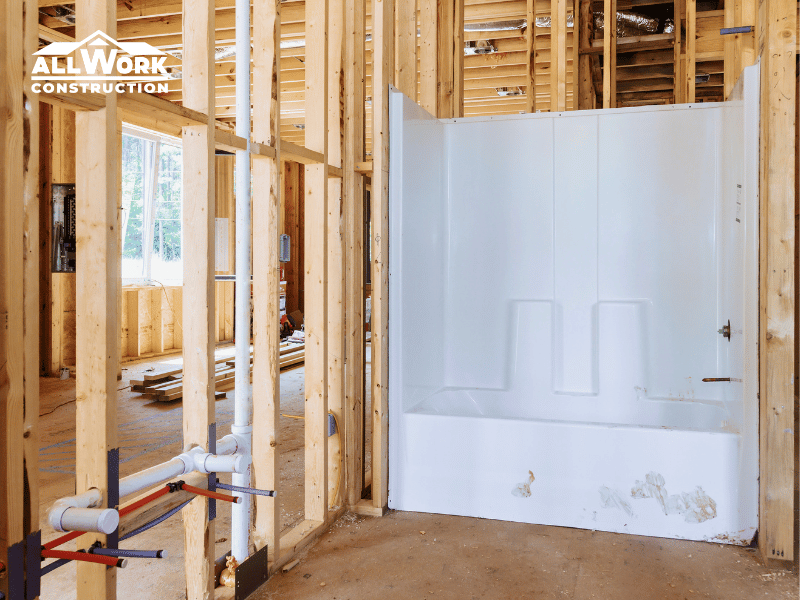
One hidden benefit of removing a bathtub is layout flexibility.
Once the tub footprint disappears, homeowners often gain:
- better vanity spacing
- improved movement flow
- larger shower dimensions
- integrated storage opportunities
The bathroom starts functioning more efficiently overall.
That functional improvement often matters more daily than the actual presence of the tub itself.
Why Some Homeowners Regret Removing the Tub
Usually, regret happens for one of two reasons.
Either:
- the home no longer has any bathtub at all
OR - the replacement shower wasn’t planned well enough
A poorly designed shower won’t automatically improve the bathroom simply because it’s modern.
Layout still matters.
Spacing still matters.
Comfort still matters.
The strongest walk-in shower remodels feel integrated naturally into the room instead of simply replacing the tub footprint mechanically.
Families and Empty Nesters Often Prioritize Different Things
Younger families typically still value at least one bathtub for practical reasons.
Homeowners planning long-term comfort often prioritize walk-in showers because of:
- accessibility
- convenience
- easier cleaning
- open layouts
That difference explains why remodeling decisions vary so much between households even within the same neighborhood.
Walk-In Showers Tend to Feel More Modern Longer
Design trends change constantly.
But open, functional layouts generally age better visually than oversized built-in tubs.
That’s one reason walk-in showers continue dominating higher-end remodeling projects across New England.
They simplify the room instead of visually crowding it.
And simpler layouts tend to remain appealing longer.
What Experienced Remodelers Usually Recommend
Teams like All Work Construction generally approach this decision based on the following:
- how the bathroom is used
- what the layout supports best
- long-term functionality
- overall home balance
Not simply trend predictions.
Because in reality, the best remodeling decisions are rarely about copying what’s popular online.
They’re about creating a bathroom that still feels practical and comfortable years after the remodel is complete.
So Which Option Adds More Value in 2026?
In many homes, walk-in showers now provide stronger practical value:
- better functionality
- improved visual space
- accessibility benefits
- modern appeal
But bathtubs still matter strategically, especially when they’re the only one in the house.
The best answer usually isn’t:
“showers are better”
or
“tubs are better.”
It’s understanding what the specific home actually needs.
Final Thoughts
The walk-in shower vs. bathtub debate in 2026 is no longer just about trends.
It’s about how people actually live.
Some bathrooms benefit dramatically from opening the layout with a walk-in shower. Others still need the flexibility and balance a bathtub provides.
The strongest remodels are usually the ones that make the decision intentionally instead of automatically following what’s popular at the moment.
Because long-term comfort, functionality, and layout quality will almost always matter more than trends.