
A bathroom can feel perfectly comfortable in September and become noticeably damp by January. The mirror takes longer to clear, water collects along the bottom of the window, and the ceiling above the shower never seems to dry completely. You might have the same exhaust fan, take the same showers, and follow the same daily routine. What’s changed is the temperature outside and, consequently, the temperature of certain surfaces inside.
These are details worth bringing up when planning a bathroom remodel, particularly in New Hampshire and northern Massachusetts.
Good bathroom ventilation removes excess airborne moisture before it spends too much time settling on walls, ceilings, cabinetry, and other surfaces. It helps the room dry between uses and reduces prolonged exposure to damp conditions.
If you’re investing in new bathroom finishes, it makes sense to consider how those materials will hold up under the conditions in which they’ll actually be used.
A Bathroom Behaves Differently in a New England Winter
Step out of a hot shower on a cold February morning and look at the bathroom window. The glass will often collect condensation before other surfaces in the room because it’s colder.
Warm, moisture-laden air cools when it comes into contact with a sufficiently cold surface. Some of the water vapor then becomes liquid water.
The same process can happen along exterior walls, around window frames, and in colder ceiling corners, although the moisture is sometimes less noticeable in those locations.
Older homes present some additional considerations. A bathroom underneath an unheated attic, for instance, may have colder ceiling surfaces if the insulation above is inadequate. Previous renovations may also have changed the room’s layout without improving its original exhaust system.
More recently constructed homes can experience moisture problems for different reasons. A well-sealed building allows less uncontrolled air exchange, making functioning ventilation systems particularly valuable.
Summer brings another set of conditions. Opening a window on a humid August afternoon might provide fresh air without doing much to dry the bathroom. Outdoor humidity and the home’s air-conditioning system influence how quickly moisture can be removed.
The EPA’s guide to moisture and mold in residential buildings provides useful background on the relationship between humidity, condensation, and damp building materials.
Pay Attention to What Happens After You Shower
A fogged mirror immediately after a hot shower isn’t necessarily a reason to replace your exhaust fan.
A more useful observation is how the bathroom behaves afterward.
Does the ceiling remain damp well into the morning? Have you repainted the same patch above the shower more than once? Is there a musty smell when you first enter the room, even though nobody has used it for several hours?
Other warning signs include peeling paint, recurring mildew, swelling along the edges of moisture-sensitive cabinetry, and persistent condensation around windows.
None of these symptoms establishes the cause on its own. Water damage beside a shower might originate from a plumbing leak or a failed shower assembly rather than inadequate ventilation. A particularly cold wall may also collect condensation despite a functional exhaust fan.
Before choosing a replacement fan, establish what is causing the problem. Otherwise, you could spend money improving airflow without addressing the actual source of moisture.
Your Existing Exhaust Fan May Not Be the Problem
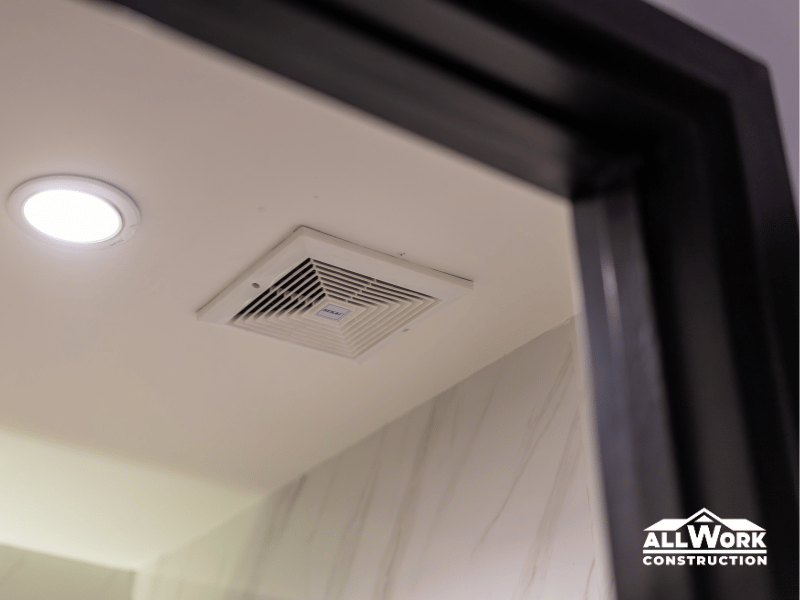
Bathroom fans are easy to overlook because homeowners generally have little reason to examine anything beyond the ceiling grille.
You turn the switch on, hear the motor running, and assume the fan is working. In reality, the sound tells you very little about how much air is being removed.
Dust accumulation, restricted ductwork, or a blocked exterior outlet can affect performance. An exhaust fan that was adequate for the original bathroom may also be less suitable following changes to the room.
Replacing it with a more powerful model without investigating the existing duct is not always the answer.
The EPA’s remodeling and indoor air quality guidance specifically recommends checking whether bathroom fans actually remove sufficient air and discharge it outdoors.
If the existing equipment performs adequately, there may be no reason to replace it simply because you’re updating the bathroom.
Choosing a Fan That Suits the Bathroom
Airflow capacity and bathroom size
Bathroom exhaust fans are rated in CFM, or cubic feet per minute. This describes the volume of air a fan moves under specified operating conditions.
The Home Ventilating Institute (HVI) recommends using approximately one CFM per square foot for bathrooms smaller than 100 square feet, with a minimum capacity of 50 CFM for intermittent ventilation.
Under that guidance, an eight-by-ten-foot bathroom would have a starting recommendation of 80 CFM.
Larger bathrooms, unusual ceiling heights, and separate toilet compartments require additional consideration. A steam shower can present different ventilation needs from an ordinary shower enclosure.
The manufacturer’s rated airflow also needs to be distinguished from the airflow achieved after installation. A long or restrictive duct can reduce the amount of air actually exhausted.
The HVI bathroom ventilation sizing guidelines are a useful planning reference, rather than a universal statement of local code requirements.
Noise, controls, and placement
A fan that’s unpleasantly loud often gets switched off sooner than it should.
Noise ratings are expressed in sones. Lower numbers indicate quieter operation under the applicable test conditions. Comparing sound ratings alongside airflow capacity can help you choose something more suitable for everyday use.
Timer controls allow the fan to continue operating after you leave the bathroom. Models with humidity sensors can respond automatically to changes in moisture levels, depending on their settings.
Placement also matters. An exhaust grille near the bathing area can help capture moisture where it originates, but equipment installed above a tub or shower must be suitable for that location and meet applicable electrical and manufacturer requirements.
Follow the Duct, Not Just the Fan
For an upstairs bathroom in New Hampshire or Massachusetts, the exhaust duct may run through an attic before reaching the exterior.
During winter, that attic can be considerably colder than the bathroom. Warm, humid exhaust air passing through inadequately insulated ductwork may cool enough for condensation to develop inside the duct.
Poor routing can allow water to collect or find its way back toward the fan housing.
Discharging bathroom exhaust directly into an enclosed attic creates another problem. Moisture that should have been removed from the house is instead introduced into a space containing roof sheathing, framing, and insulation.
The Building America Solution Center’s bathroom exhaust fan guidance recommends outdoor discharge through appropriately sized ductwork with a direct route and limited bends.
Duct insulation, sealed connections, exterior termination, and protection against backdrafts all deserve consideration. The appropriate arrangement depends on the building and the selected equipment.
A new ceiling grille won’t correct an old duct that terminates inside the attic.
Why Discuss Ventilation Before Remodeling Begins?
All Work Construction offers both comprehensive bathroom remodeling and more focused bathing-area improvements. That distinction is useful when deciding how to address an existing ventilation concern.
A project limited to replacing the bathtub or shower may leave the ceiling and most electrical components untouched. A broader renovation could provide access to areas that would otherwise remain closed.
For homeowners planning a complete bathroom remodeling project, it is sensible to raise ventilation concerns before the demolition and finishing work are agreed upon.
Imagine deciding to relocate the shower after the proposed ceiling work has already been established. The original fan position might still be suitable, or the change could justify reconsidering its location. Leaving that discussion until after painting introduces an avoidable complication.
All Work Construction’s bathroom remodeling service in Andover, Massachusetts identifies inadequate airflow among the existing bathroom problems homeowners may want to address alongside storage, plumbing, lighting, and layout.
Ventilation should be part of that broader conversation, rather than treated as an unrelated purchase made at the end of the project.
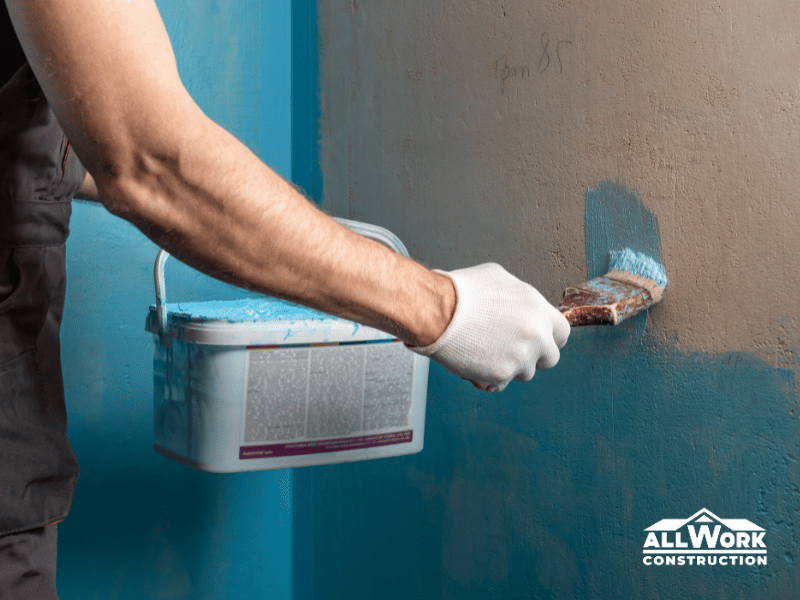
Remember that an exhaust fan cannot replace waterproofing. It removes humid air; it cannot repair a leaking pipe, defective drain connection, or poorly constructed shower.
What to Discuss During Your Remodeling Consultation
Bring up any recurring condensation or moisture problems you have noticed, including whether they become worse during winter.
Before approving the scope, clarify a few practical details:
- Is the current exhaust system suitable for the proposed bathroom?
- Where does the existing duct discharge, and is its condition known?
- Would the new layout affect the fan location or airflow requirements?
- Are electrical changes or duct modifications anticipated?
- Does the proposed work require permits or additional professional evaluation?
Permit requirements depend on the work and the local jurisdiction. All Work Construction, Inc. obtains required permits for its kitchen and bathroom remodeling projects in New Hampshire and Massachusetts.
If you’re planning a bathroom remodel, you can discuss your existing room, preferred materials, and moisture concerns with the company through its Hooksett showroom or remodeling consultation.
It’s better to raise a recurring winter condensation problem while the project is still being planned than after the new ceiling, cabinetry, and wall finishes are in place.
Frequently Asked Questions
How long should a bathroom fan run after showering?
HVI recommends continuing ventilation for at least 20 minutes after bathroom use. Actual drying times vary with airflow, humidity, room size, and how much moisture remains on surfaces.
Why does water sometimes drip from a bathroom exhaust fan?
Condensation inside ductwork passing through a cold space is one possible explanation. Rain entering through a defective exterior termination is another. The source should be investigated before replacing the fan or repairing the ceiling.
Can I open a bathroom window instead of running the fan?
Opening a window can help under suitable weather conditions, but natural ventilation is inconsistent. Cold winter weather and humid summer conditions make relying exclusively on an open window less practical.
What happens if a bathroom has an airtight door?
An exhaust fan needs replacement air to enter the room. Insufficient airflow beneath or around a closed door can limit performance. The appropriate air-transfer provision should be considered as part of the ventilation design.
Can a humidity sensor be added to an existing bathroom fan?
In some cases, yes. Compatible humidity-sensing controls can operate existing equipment, but suitability depends on the fan, switch configuration, wiring, and manufacturer requirements.