
Bathroom remodel pricing never feels simple at the beginning.
You look up a few numbers, maybe check a couple of articles, and it seems like everything should fall into a clear range. But once you start comparing real projects, things don’t line up the way you expect.
Two bathrooms that look almost identical can end up with entirely different costs.
And that’s usually where confusion starts.
In New Hampshire and Massachusetts, that gap can be even wider. Not because pricing is unpredictable, but because there are more variables involved than most homeowners realize at first.
Why Bathroom Remodel Costs Vary So Much
There isn’t one reason. It’s usually a mix of small decisions stacking on top of each other.
One project keeps the layout. Another moves plumbing.
One uses standard materials. Another chooses something more custom.
None of these choices seem dramatic on their own. But together, they shift the total cost more than expected.
That’s why asking “how much does a bathroom remodel cost” doesn’t always lead to a clear answer.
It depends on how the space is being changed, not just how it looks in the end.
Real Bathroom Remodel Cost Ranges in 2026
Even with all the variation, there are still realistic ranges that most projects fall into.
Not exact numbers, but close enough to set expectations.
Basic Updates
Usually land somewhere between $8,000 and $15,000
This is where homeowners
- Replace fixtures
- Update surfaces
- Keep most of the existing layout
It improves the look of the space but doesn’t change how it functions in a major way.
Mid-Range Remodels
Typically fall between $15,000 and $30,000
This is where most projects land.
You start seeing:
- New flooring
- Updated shower or tub
- Improved lighting
- Better storage
It’s not just visual anymore. The space starts working differently.
Full Renovations
Usually range from $30,000 to $60,000 or more
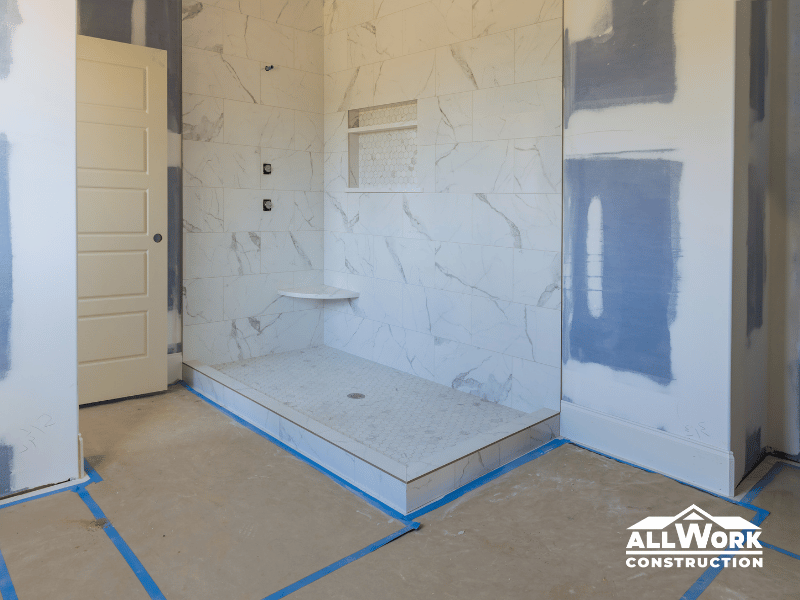
This is where everything changes.
Layout adjustments. Plumbing updates. Custom features.
These projects take longer, require more planning, and tend to be more detailed from start to finish.
What Actually Pushes Costs Higher
It’s rarely one big upgrade.
More often, it’s a combination of smaller ones happening at the same time.
Layout Changes Add Up Quickly
Moving a toilet or shower sounds simple until you realize what’s behind it.
Plumbing has to be adjusted. Sometimes flooring or subflooring, too. Certain homes have structural limitations.
That’s why many homeowners decide to work with the existing layout when possible.
Not because moving things is impossible, but because it changes the scope of the project.
Material Choices Can Shift the Budget Fast
This is where numbers start to spread out.
Tile, for example, can vary widely. One option looks almost identical to another, but the price difference is significant.
Same with vanities, fixtures, even lighting.
You don’t notice it at first. But once multiple upgrades stack together, the total moves faster than expected.
Labor in New England Is a Major Factor
This part doesn’t get talked about enough.
Labor in Massachusetts and New Hampshire tends to be higher than in many other regions.
Not dramatically, but enough to matter.
Skilled work, especially plumbing and electrical, takes a large portion of the budget. And it should. That’s where long-term reliability comes from.
Why Older Homes Cost More to Remodel
Many homes in this region aren’t new.
That means things behind the walls don’t always match modern standards.
Sometimes it’s minor.
Other times, it requires adjustments before anything new can be installed.
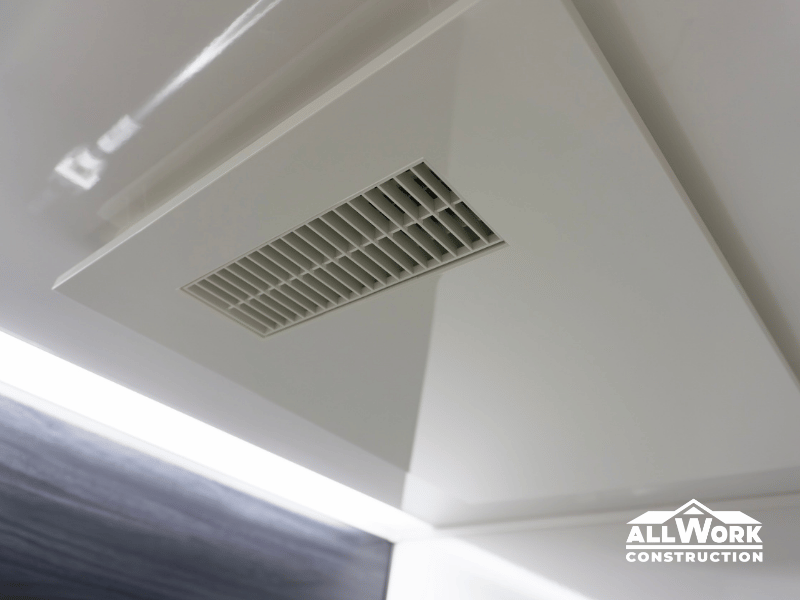
Outdated plumbing is common. So are ventilation issues.
These aren’t always visible until the project starts. And when they show up, they need to be addressed.
That’s one of the reasons estimates can shift slightly after demolition.
Differences Between Massachusetts and New Hampshire
There are some differences, but they’re not extreme.
Massachusetts tends to have slightly higher labor costs. Permitting can also be a bit more involved depending on the town.
In that regard, New Hampshire is frequently a little more accommodating.
But overall, pricing between the two stays within a similar range.
The more significant differences usually come from the home itself, not the state.
Costs That Don’t Show Up Right Away
Some expenses aren’t part of the initial conversation.
They come up later, once the project is already moving.
Permits and Inspections
Not every project requires them, but when they do, they affect both cost and timeline.
Unexpected Repairs
Once walls are opened, hidden issues can appear.
Water damage. Old wiring. Structural adjustments.
Usually, they’re manageable. But they still need to be factored in.
Living Adjustments During the Remodel
If it’s the main bathroom, daily routines shift.
Temporary setups, scheduling changes, and minor inconveniences.
These aren’t always part of the financial cost, but they’re still part of the overall experience.
Why Some Remodels Feel More Expensive Than Others
It’s not always about the number itself.
Occasionally it’s about expectations.
If a project improves both appearance and function, the cost tends to feel justified.
If it only improves how the space looks, but daily use stays the same, it can feel like something is missing.
That’s where planning makes a difference.
Where Budget Should Actually Go
It’s easy to focus on visible upgrades.
But the parts that matter most aren’t always obvious.
Layout improvements. Ventilation. Storage that works properly.
These don’t always stand out at first, but they shape how the space performs over time.
A well-balanced remodel puts money into both visible and functional elements.
Not just one or the other.
How to Avoid Cost Surprises
There’s no way to eliminate every unexpected expense.
But there are ways to reduce them.
Clear planning at the beginning helps more than anything else.
Knowing what’s being changed. What’s staying? What matters most.
Making too many decisions during construction is usually where costs start to drift.
Working with experienced contractors, like All Work Construction, tends to make this part smoother.
Surprises do occur, but experienced contractors handle them early rather than later.
What Most Homeowners End Up Choosing
Despite all the options, most projects land somewhere in the middle.
Not the lowest cost. Not the highest.
Something practical.
A bathroom that feels better to use, holds up over time, and doesn’t require constant updates.
That balance is usually where the real value is.
When the Cost Starts to Make Sense
At the beginning, it feels unclear.
Too many numbers. Too many options.
However, once priorities are established, the situation stabilizes.
You know what matters. You know where the budget should go.
It’s not about finding the cheapest option.
It’s about making decisions that hold up over time.
The Part Most People Don’t Think About
A bathroom remodel isn’t just a one-time expense.
It affects daily life.
Every morning. Every evening. Every small routine.
If the space functions more effectively, its value becomes immediately apparent.
Even a well-done remodel can feel unfinished if it doesn’t.
What Actually Matters in the End
Not the exact number.
Not the specific materials.
It’s whether the space works the way it should.
If it does, the cost makes sense.
If it doesn’t, it always feels like something could have been done differently.
Typically, this difference is determined by decisions made early on, well before the construction phase begins.