
Bathroom remodeling in New England rarely follows a predictable path.
At first glance, homes across New Hampshire and Massachusetts seem similar. Same climate, similar construction styles, comparable neighborhoods.
But once a project actually begins, those similarities start to fade.
Not in obvious ways. More in the details.
The kind of details that quietly influence cost, layout decisions, and how the entire remodel needs to be approached.
If you’re planning a renovation anywhere in this region, understanding how homes differ between NH and MA can save you from a lot of second-guessing later.
Why Remodeling Feels Different in New England Homes
Most houses in this part of the country weren’t built recently.
That matters.
Bathrooms weren’t designed for today’s routines. Storage was minimal. Layouts were tighter. Mechanical systems weren’t built with modern upgrades in mind.
So remodeling here isn’t just about replacing finishes.
It’s about adapting the space to how people actually live now.
That’s just as true in a bathroom remodel in Stoneham, MA, as it is in a small-town home across the New Hampshire border.
Massachusetts Homes: Where Space and Structure Shape Everything
There’s a pattern you start to notice in many Massachusetts properties.
Not always, but often enough.
Space Feels Tighter Than Expected
In older suburbs and established towns, bathrooms tend to be compact.
Not unusable, just… less forgiving.
You feel it when opening a door, moving between fixtures, or trying to add storage where none existed before.
That’s why in areas like bathroom remodeling in Woburn, MA, or bathroom renovation in Andover, MA, the conversation usually shifts quickly from “What should we add?” to “What actually fits?”
Costs Tend to Lean Higher
It’s not dramatic, but it’s noticeable.
Labor rates are typically higher. Permitting can involve more steps depending on the town.
Nothing unmanageable, just something that needs to be accounted for early.
Ignoring it doesn’t reduce cost. It just moves the surprise later.
Design Choices Become More Practical
When space is limited, design stops being about preference and starts being about function.
You see it in real projects.
Walk-in showers replacing bulky tubs. Vanities that don’t extend too far into the room. Storage built into walls instead of added on top of them.
In places like bathroom remodeling in Tewksbury, MA, or bathroom remodels in Wilmington, MA, the goal isn’t to do more. It’s to make better use of what’s already there.
New Hampshire Homes: Slightly More Flexibility, Same Reality
Cross into New Hampshire and things shift a bit.
Not completely, but enough to notice.
Layout Feels Less Restricted
There’s often a little more breathing room.
Not large spaces, but enough flexibility to make adjustments without everything feeling tight.
That opens up options.
A slightly larger shower. More practical storage. Small layout changes that would be harder to pull off in tighter Massachusetts homes.
Still, the space isn’t unlimited. It just gives you more room to work with.
Costs Are Structured a Bit Differently
Labor tends to come in slightly lower.
Permitting can be more straightforward depending on the town.
Again, not a massive difference. But enough to influence how budgets are allocated.
Sometimes that extra flexibility goes toward layout improvements instead of just finishes.
Older Homes Still Bring the Same Challenges
Even with more flexibility, older homes behave the same way once work begins.
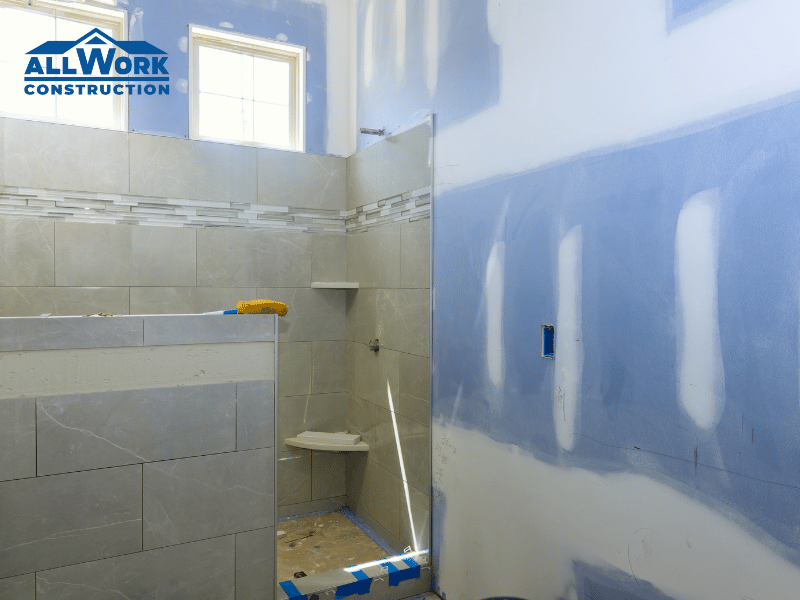
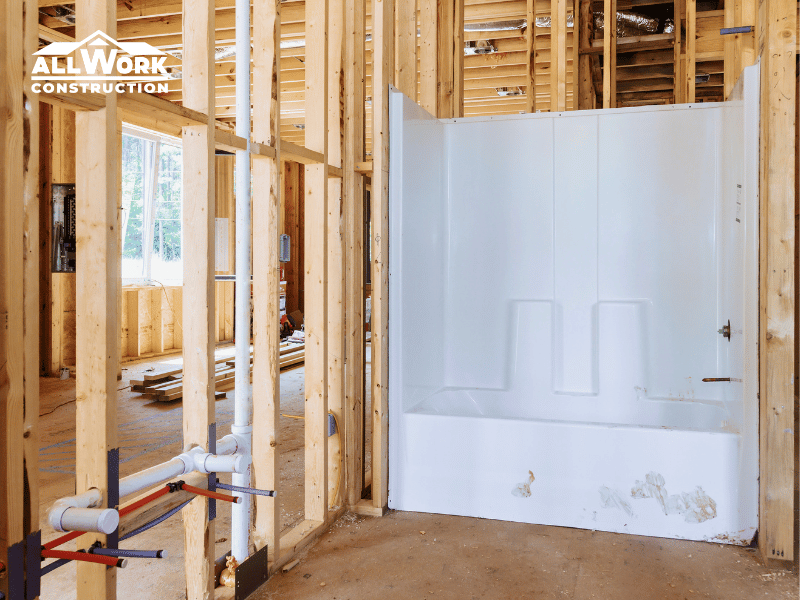
Walls get opened. Systems get exposed.
That’s when reality shows up.
Outdated plumbing. Ventilation that needs improvement. Structural quirks that weren’t visible before.
It’s not a problem. It’s just part of working with homes that have history.

Cost Differences: Subtle but Important
At a high level, remodeling costs across NH and MA stay within a similar range.
But how that cost is distributed can change.
Massachusetts often leans toward:
- Higher labor investment
- More structured timelines
- Tighter working conditions
New Hampshire tends to allow the following:
- Slightly more flexibility in layout
- A bit more room in how budgets are used
- Fewer regulatory steps in some areas
Neither is better.
They just require a different approach.
Design Isn’t About Trends Here
Trends don’t drive decisions the way people expect.
What works in one home doesn’t always work in another.
A large shower might feel perfect in one space and overwhelming in another. A double vanity might fit easily somewhere and feel cramped somewhere else.
That’s why in real projects, like bathroom remodeling in Stoneham, MA, or bathroom renovation in Andover, MA, design doesn’t start with inspiration photos.
It starts with the space.
Planning Looks Different Depending on Location
The planning phase is where these differences really show up.
In Massachusetts
Planning usually revolves around:
- Working within tighter layouts
- Making the most of limited space
- Navigating permit timelines
In New Hampshire
Planning tends to focus more on:
- Taking advantage of available flexibility
- Adjusting layouts where it makes sense
- Balancing improvements with cost
In both cases, the structure of the home leads the process.
Not the other way around.
Challenges That Show Up Everywhere
Even with differences between states, some things stay consistent.
Older Construction Isn’t Always Straightforward
Floors may not be level. Walls may not be perfectly straight.
You don’t always notice until installation begins.
Then adjustments become part of the process.
Hidden Issues Are Normal
Once demolition starts, it’s common to uncover things that weren’t visible before.
Nothing dramatic most of the time.
Just updates that need to be handled properly before moving forward.
Storage Is Almost Always Limited
Older bathrooms weren’t built with modern storage needs in mind.
That’s why remodeling often includes rethinking storage entirely.
Not just adding more, but placing it where it actually works.
Why Experience Makes a Bigger Difference Here
Remodeling in New England isn’t just about design.
It’s about understanding how homes behave.
Where problems tend to show up. What needs to be checked early? What can wait?
Teams like All Work Construction approach projects with that awareness.
Not by overcomplicating things, but by knowing where attention matters most.
That’s what keeps projects from drifting off track.
What Homeowners Should Actually Focus On
Instead of trying to follow trends or copy designs from other homes, it helps to focus on a few key things:
How is the space used daily?
Where does it currently fall short?
What changes will actually improve it?
That applies whether the home is in Massachusetts or New Hampshire.
When the Differences Start to Matter
At the beginning, everything feels similar.
Same ideas. Same expectations.
But as planning moves forward, the home itself starts shaping decisions.
That’s when the differences between NH and MA become more noticeable.
Not as obstacles. Just as factors that need to be understood.
When the Remodel Finally Feels Right
A well-executed remodel doesn’t feel forced.
It fits the house.
The layout makes sense. The materials hold up. The space feels natural to use.
Nothing stands out as something that was added just because it looked good somewhere else.
Where It All Comes Together
Bathroom remodeling in New England isn’t about choosing between states.
It’s about understanding the home in front of you.
Once that part is clear, everything else becomes easier.
Decisions feel more grounded. Budgets make more sense. The process feels more controlled.
And in the end, the result doesn’t just look right.
It actually works the way it should.