

Most homeowners don’t wake up one morning and decide it’s finally time to remodel their bathroom because they suddenly dislike the tile.
The decision usually builds over time.
The vanity never seems to have enough storage. The room feels dark, even during the day. Two people can’t comfortably get ready at the same time. The exhaust fan struggles to clear the humidity after a shower, and no matter how organized you try to be, the bathroom always feels cluttered.
By the time people start looking at inspiration photos or requesting estimates, they’ve often been living with those frustrations for years.
After completing bathroom renovations throughout New Hampshire and Massachusetts, we’ve learned that the most successful projects don’t begin with selecting materials. They begin with understanding exactly what isn’t working and why.
At All Work Construction, that’s how every consultation starts. Before discussing tile, fixtures, or cabinetry, we spend time talking about how the bathroom is used every day. Those conversations almost always uncover opportunities that homeowners hadn’t considered, and they often lead to a much better renovation.
If you’re thinking about remodeling, here are fifteen questions that are worth answering before making any design decisions.
1. Why do I really want to remodel?
This question sounds simple, but it’s probably the most important one you’ll ask.
Many homeowners initially answer by saying they want a bathroom that looks newer. After a few minutes of conversation, however, the real reasons begin to emerge.
Perhaps there’s never enough storage for everyday items. Maybe the shower feels cramped, or the lighting makes it difficult to get ready in the morning. Some families simply need a layout that works better for two people instead of one.
Understanding those everyday frustrations gives the entire project a clear direction. Once you know what problems you’re trying to solve, every other decision becomes easier.
2. How does my family actually use this bathroom?
Every household develops its own routine.
Some bathrooms serve a busy family every morning. Others are used mostly by guests. A primary en suite has completely different requirements than a shared hallway bathroom.
Spend a day paying attention to how the room is used.
Where do people leave towels?
Which cabinets are opened most often?
What ends up sitting on the countertop because there’s nowhere else to put it?
These observations are often more valuable than browsing dozens of online design galleries.
3. Will this bathroom still work for us ten years from now?
A bathroom remodel isn’t a short-term purchase.
According to research from Harvard University’s Joint Center for Housing Studies, homeowners are remaining in their homes longer than previous generations. That means renovations should be planned with future needs in mind, not just today’s preferences.
Think about how your family might change over the next decade.
Will children become teenagers?
Will parents eventually move in?
Would a larger shower or improved accessibility become valuable later?
Planning ahead now is usually much less expensive than remodeling again in the future.
4. Is the room actually too small, or is the layout inefficient?
Homeowners often assume their bathroom feels cramped because it lacks square footage.
Sometimes that’s true.
More often, the layout is the real issue.
We’ve seen bathrooms where relocating a vanity by just a few inches completely changed the flow of the room. In other homes, replacing a swinging door with a pocket door created enough usable space to add storage without changing the footprint.
If you’re planning bathroom remodeling in Reading, MA, don’t assume you need an addition before exploring better layout options. Many older New England homes simply need smarter use of the space that’s already there.
5. Do we have enough storage for the way we live today?
Bathrooms store far more than they did twenty years ago.
Electric toothbrushes, skincare products, medications, hair dryers, curling irons, cosmetics, cleaning supplies, extra towels, and charging devices all compete for limited space.
Walk into your bathroom this evening and look honestly at your countertop.
If it’s become the primary storage area for everyday items, the problem isn’t necessarily a lack of discipline. It’s often a lack of well-designed storage.
Houzz’s annual Bathroom Trends Study continues to identify storage as one of the most requested upgrades during bathroom renovations because organized spaces are easier to clean and much more enjoyable to use.
6. Is the lighting helping or working against us?
Lighting influences almost everything people do in a bathroom, yet it’s frequently overlooked during the planning process.
Stand in front of your mirror tomorrow morning.
Do shadows make shaving or applying makeup difficult?
Does the shower feel noticeably darker than the rest of the room?
Professional designers rarely rely on a single ceiling fixture. Instead, they combine ambient lighting with dedicated task lighting around the vanity to create a more comfortable and functional space.
Good lighting doesn’t just improve visibility. It changes how spacious the room feels and allows materials to look their best throughout the day.
7. What’s hiding behind the walls?
This isn’t meant to sound alarming.
It’s simply reality.
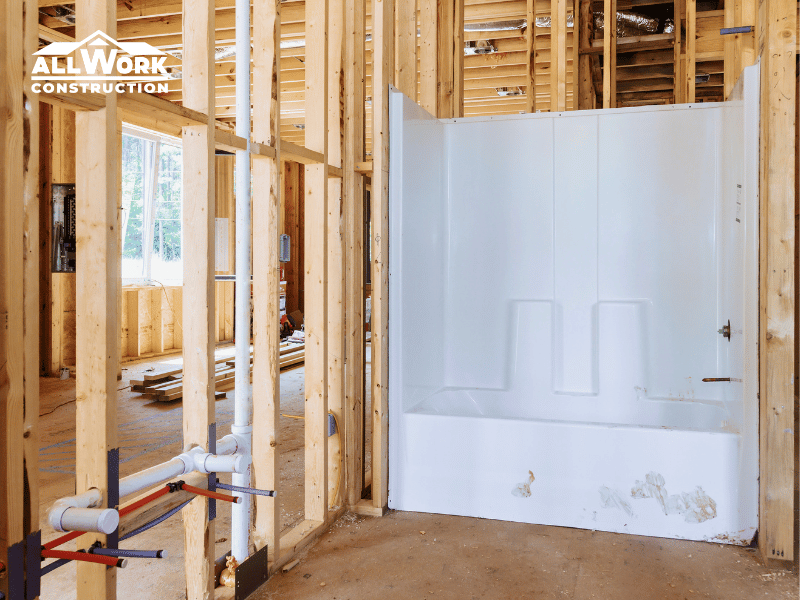
Bathrooms often conceal plumbing repairs, aging electrical wiring, moisture damage, or outdated ventilation systems that aren’t visible until demolition begins.
That doesn’t mean every renovation will uncover major problems.
It does mean homeowners should understand that older bathrooms sometimes require more than cosmetic updates.
An experienced contractor will explain those possibilities before construction begins rather than pretending surprises never happen.
8. Are we choosing materials that fit our lifestyle?
Beautiful materials aren’t always the right materials.
Natural stone, for example, can look stunning but may require more maintenance than porcelain tile.
Glossy finishes may show water spots more easily.
Open shelving photographs beautifully but often collects dust and clutter in everyday life.
Ask yourself how much maintenance you’re comfortable with before making final selections.
The goal isn’t simply to build a beautiful bathroom.
It’s to build one you’ll still enjoy maintaining years from now.
9. Which improvements will make the biggest difference every day?
Some upgrades immediately improve daily life.
Better lighting.
A larger shower.
Deeper vanity drawers.
A quieter exhaust fan.
Additional electrical outlets.
Others mainly affect appearance.
When budgets require prioritizing, focus first on improvements you’ll appreciate every single day.
Those practical upgrades usually provide greater long-term satisfaction than decorative features alone.
10. Are we following trends or making lasting decisions?
Design trends come and go.
A bathroom renovation should last much longer.
When selecting permanent features such as flooring, cabinetry, or shower tile, ask yourself whether you’re choosing them because you genuinely like them or because they’re currently popular online.
Timeless design rarely goes out of style.
That doesn’t mean the bathroom has to feel boring. It simply means the largest investments should remain attractive even as decorating preferences change.
11. Have we compared estimates properly?
Many homeowners compare only the final price.
Experienced remodelers compare the scope of work.
Does one proposal include waterproofing while another does not?
Are permits included?
What material allowances are being used?
Is painting part of the contract?
Two estimates with similar prices can represent very different projects.
Understanding exactly what’s included often explains why proposals vary.
12. How easy will this bathroom be to clean?
Cleaning probably isn’t the first thing people think about during a remodel.
It should be somewhere near the top.
Large-format tile reduces grout lines.
Quartz countertops require very little maintenance.
Frameless glass showers often simplify cleaning compared to heavily framed enclosures.
Small decisions made during planning can save hours of maintenance every year.
13. Are we solving today’s frustrations or creating tomorrow’s?
Every renovation should remove problems rather than simply replacing finishes.
If the countertop constantly feels crowded today, installing a more expensive countertop without improving storage won’t solve anything.
If humidity has always been an issue, replacing the paint without upgrading ventilation won’t change the outcome.
When homeowners plan bathroom remodeling in Georgetown, MA, we encourage them to focus on solving everyday frustrations first. The visual improvements naturally become more meaningful once the room functions properly.
14. Is now the right time to remodel?
Waiting isn’t always the least expensive option.
Minor plumbing leaks, deteriorating caulking, and inadequate ventilation often become larger repairs if they’re ignored for several more years.
Whether you’re considering bathroom remodeling in Newburyport, MA, or updating an older home elsewhere in New England, tackling the project before significant damage develops usually provides more flexibility, better scheduling options, and greater control over the budget.
15. Am I choosing a contractor who asks good questions?
This may be the most important question of all.
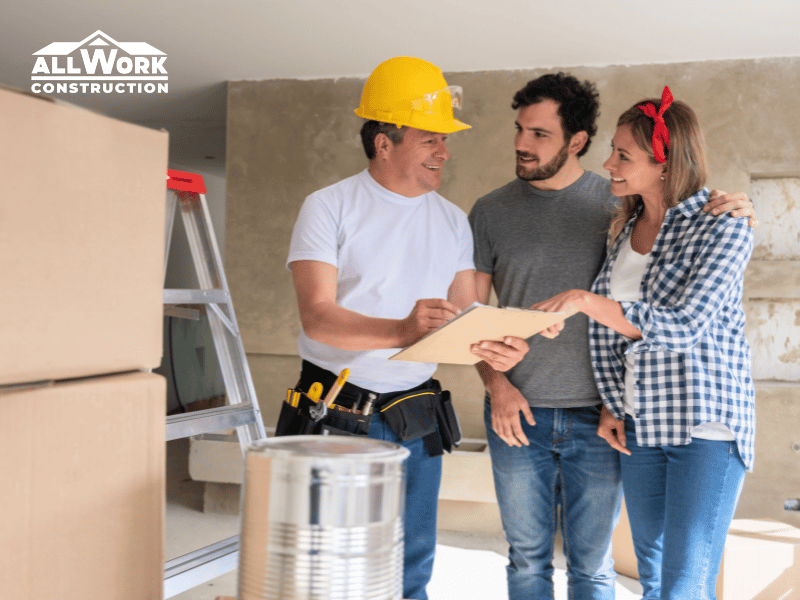
A contractor who spends the entire consultation talking about products probably hasn’t learned enough about your bathroom.
A contractor who asks thoughtful questions about your family’s routine, your long-term plans, your biggest frustrations, and your goals is far more likely to recommend solutions that genuinely improve your home.
At All Work Construction, we believe the best bathroom remodels begin with listening. Every recommendation we make is based on understanding how homeowners use the space today while designing a bathroom that will continue serving them well for many years.
Whether you’re exploring bathroom remodeling in Boxford, MA, Reading, MA, Georgetown, MA, or Newburyport, MA, asking these questions before requesting estimates will help you make more confident decisions throughout the entire project.
Final Thoughts
The success of a bathroom remodel is determined long before demolition begins.
It starts with understanding how the space functions today, identifying what no longer works, and planning improvements that will continue adding value for years to come.
Beautiful tile and modern fixtures certainly matter, but they’re only part of the story. Thoughtful layouts, practical storage, effective lighting, quality workmanship, and careful planning are what homeowners continue appreciating long after the excitement of the renovation has passed.
Before choosing colors or comparing vanities, spend some time asking these fifteen questions. They will help you have better conversations with your contractor, avoid costly mistakes, and create a bathroom that’s designed around the way your family actually lives rather than the latest design trend.