
Bathroom remodeling advice often assumes every home was built under similar conditions. Most online guides discuss standard wall framing, modern plumbing systems, level floors, and layouts that follow today’s construction practices.
That may describe a recently built home in a suburban development.
It rarely describes a house in New England.
Across Massachusetts and New Hampshire, many homes were built decades ago, while others date back well over a century. Even homes constructed in the 1960s, 1970s, and 1980s have often gone through several renovations, each completed under different building codes, using different materials, and by different contractors.
As a result, remodeling an older New England bathroom is usually less about replacing finishes and more about understanding the structure behind them.
At All Work Construction, we have found that the most successful renovations begin with realistic expectations. Every older home has its own history, and understanding that history allows homeowners to make better decisions before demolition even begins.
Every Bathroom Tells the Story of the House
One reason older bathrooms require a different remodeling approach is that they rarely represent the home’s original construction.
A bathroom built in 1955 may have received a cosmetic update in the 1980s, a plumbing repair in the early 2000s, and a new vanity ten years later. Each project may have solved an immediate problem without considering future renovations.
By the time today’s homeowner decides to remodel, several generations of construction may be hidden behind the walls.
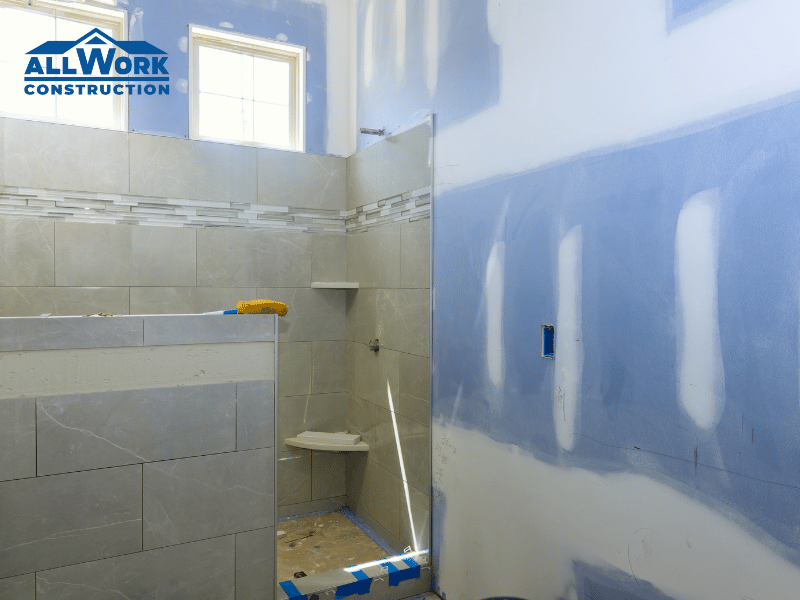
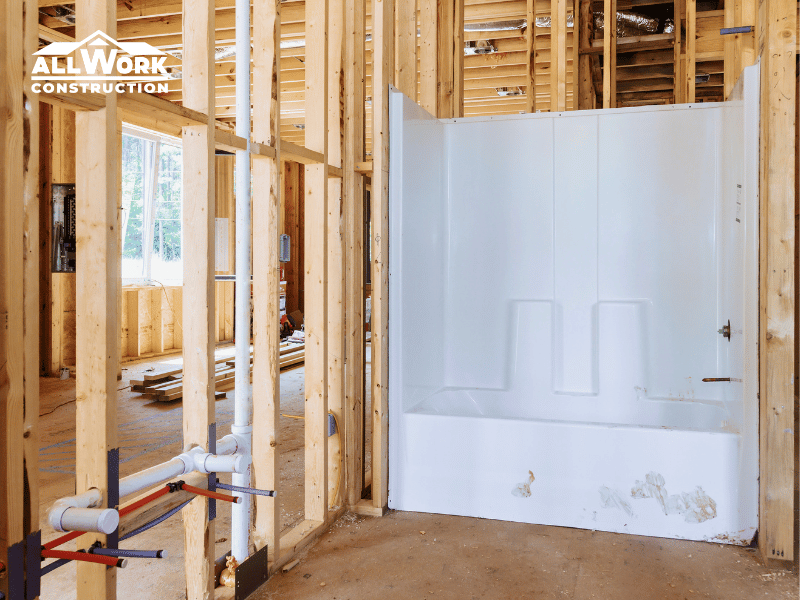
During demolition, contractors frequently discover abandoned plumbing lines, electrical wiring installed under older standards, multiple flooring layers, patched framing, or ventilation systems that no longer meet modern expectations.
None of these discoveries automatically creates a major problem, but they influence how the renovation should move forward.
Unlike new construction, remodeling requires understanding what already exists before deciding what should change.
Floors Are Rarely Perfectly Level
Many homeowners become concerned when a contractor mentions that the bathroom floor slopes slightly.
In older New England homes, this is often completely normal.
Over decades, homes naturally settle. Wood framing expands and contracts with seasonal humidity, foundations experience minor movement, and previous renovations may have introduced additional variations.
Professional remodelers do not automatically attempt to make every floor perfectly level.
Instead, they determine whether the floor is structurally sound and whether any movement requires correction before new finishes are installed.
Sometimes a floor only needs minor preparation before tile installation. In other situations, portions of the subfloor require replacement because of previous moisture damage or deterioration.
Understanding the difference requires experience.
Correcting every minor imperfection may add unnecessary cost, while ignoring genuine structural concerns can shorten the life of the finished bathroom.
Plumbing Often Reflects Decades of Repairs
One of the biggest surprises during bathroom remodeling is the condition of the plumbing system.
Supply lines may include several different materials installed over many years. Drain locations may have been modified during previous renovations. Shut-off valves may be nearing the end of their service life, while venting arrangements sometimes reflect construction standards that have changed considerably.
Homeowners rarely see these conditions before demolition.
That is why experienced contractors avoid making guarantees about everything hidden behind finished walls.
Instead, they inspect the plumbing carefully after demolition, explain what has been discovered, and recommend improvements only when they provide genuine long-term value.
In many cases, replacing accessible plumbing while the walls are already open costs far less than repairing water damage or opening finished walls several years later.
Wall Framing May Not Match Modern Dimensions
Many older homes were framed before today’s building materials became standardized.
Contractors often find walls that are slightly out of square, corners that are not perfectly straight, and framing that varies by more than homeowners expect.
These differences affect much more than drywall.
Cabinet installation, countertop fabrication, tile layout, shower glass, trim work, and even mirror placement all depend on accurate measurements.
Professional remodelers rarely assume that opposite walls are identical.
Instead, they measure repeatedly throughout the room because small dimensional differences become much more noticeable once expensive finish materials are installed.
That attention to detail helps create bathrooms that feel balanced even when the original structure is anything but perfect.
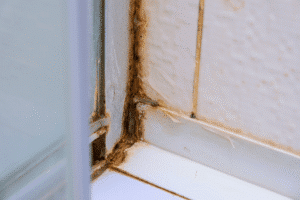
Moisture Damage Is More Common Than Homeowners Realize
Bathrooms naturally produce moisture every day.
Over several decades, even small leaks or poor ventilation can affect surrounding building materials.
Some problems remain hidden until demolition begins.
Contractors may discover damaged subflooring around the toilet, softened framing beneath an old bathtub, deteriorated drywall behind shower walls, or insulation affected by long-term humidity.
These discoveries are frustrating for homeowners because they usually cannot be predicted during the initial consultation.
They also represent an opportunity.
Replacing damaged structural materials before new finishes are installed protects the investment and prevents much larger repairs later.
Covering existing moisture damage simply because it cannot be seen would only postpone the problem.
Modern Building Standards Create Better Bathrooms
Building codes continue evolving because construction methods improve over time.
Today’s bathrooms generally benefit from better waterproofing systems, improved electrical protection, more effective ventilation, safer plumbing materials, and updated installation practices.
Older homes naturally reflect the standards that existed when they were originally built.
During remodeling, contractors often recommend upgrades that extend beyond appearance.
An improved exhaust fan may reduce long-term moisture problems.
Modern waterproofing systems provide better protection behind tile.
Electrical upgrades improve both safety and convenience.
These improvements may not be visible after construction is complete, but they contribute significantly to how well the bathroom performs over the next twenty years.
Older Homes Require More Flexibility During Construction
Homeowners often ask whether an older bathroom can be remodeled on a fixed schedule with no surprises.
The honest answer is that experienced contractors prepare for the unexpected.
No one can fully inspect what is hidden behind finished walls before demolition.
Responsible remodeling companies explain this from the beginning rather than pretending every condition can be predicted.
Unexpected discoveries do not necessarily indicate poor planning.
They are simply part of remodeling homes that have accumulated decades of repairs, modifications, and normal aging.
The important difference is how those discoveries are handled.
Professional contractors document the issue, explain available solutions, discuss costs before proceeding, and keep homeowners informed throughout the process.
Material Selection Should Reflect the House
Not every design trend fits every home.
An ultra-modern bathroom may look beautiful in a newly constructed property while feeling completely out of place inside a century-old colonial or traditional New England farmhouse.
That does not mean older homes should remain outdated.
Instead, many successful renovations combine modern performance with timeless design.
Large-format porcelain tile can simplify maintenance while complementing traditional architecture. Quartz countertops provide durability without appearing overly contemporary. Warm wood tones, brushed nickel hardware, and balanced lighting often integrate naturally into older homes without making the renovation feel temporary.
The goal is not to recreate the past.
It is to create a bathroom that respects the character of the home while providing the comfort and performance homeowners expect today.
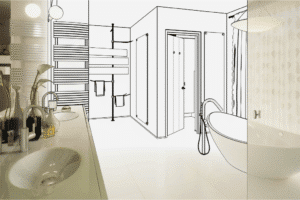
Bathroom Remodeling Planning Matters More Than Ever
Older homes reward careful preparation.
Before ordering materials, experienced remodelers verify dimensions, inspect accessible plumbing, review structural conditions, and discuss how the homeowner actually uses the bathroom.
This planning phase helps prevent expensive changes later.
It also allows homeowners to make informed decisions about where their bathroom remodeling budget will have the greatest impact.
Sometimes replacing aging plumbing provides more long-term value than upgrading to premium fixtures.
In another project, improving the layout may increase comfort far more than selecting more expensive tile.
Professional planning helps identify those opportunities before construction begins.
Experience Makes Unexpected Problems Easier to Solve
One of the greatest advantages of hiring an experienced remodeling company is not that problems never occur.
It is that experienced remodelers have seen similar situations many times before.
Experienced remodelers recognize older plumbing systems, understand the construction methods used during previous renovations, and know where moisture damage is most likely to appear or how older framing may affect a modern installation.
That experience allows them to recommend practical solutions without creating unnecessary concern.
At All Work Construction, every remodeling project begins with the understanding that older homes deserve careful evaluation rather than assumptions. The team’s approach focuses on protecting the home’s character while incorporating modern construction methods that improve reliability, durability, and everyday comfort.
Homeowners interested in learning more about the remodeling process or viewing completed projects can visit the All Work Construction website for additional information and inspiration.
Final Thoughts
Older New England bathrooms require more than updated finishes.
They require an understanding of how homes have evolved over decades, how previous renovations influence today’s construction, and how modern building practices can improve both comfort and long-term performance.
For homeowners considering bathroom remodeling in Massachusetts or New Hampshire, the most successful projects begin with realistic expectations, thorough planning, and a contractor who understands the unique challenges of older homes.
Every bathroom has a history hidden behind its walls.
A successful remodel respects that history while building a space that will serve the next generation of homeowners just as reliably.