
Not long ago, most bathrooms followed the same formula.
A bathtub. A showerhead above it. Maybe a glass door if the space allowed.
That setup worked for years. It was standard, expected, and easy to plan around.
But lately, things have started to shift.
Homeowners are making different choices. Not because one option is outdated, but because daily habits have changed.
And in 2026, the question comes up more often than before:
Should you keep a bathtub or switch to a walk-in shower?
The answer depends on more than just preference.
Why Walk-In Showers Are Becoming More Common
Walk-in showers have gained popularity for a reason.
They simplify the space.
No stepping over a tub edge. No tight enclosures. Just an open area that’s easier to move through.
For many homeowners, especially those updating older bathrooms, that alone is enough to make the switch.
There’s also the visual side.
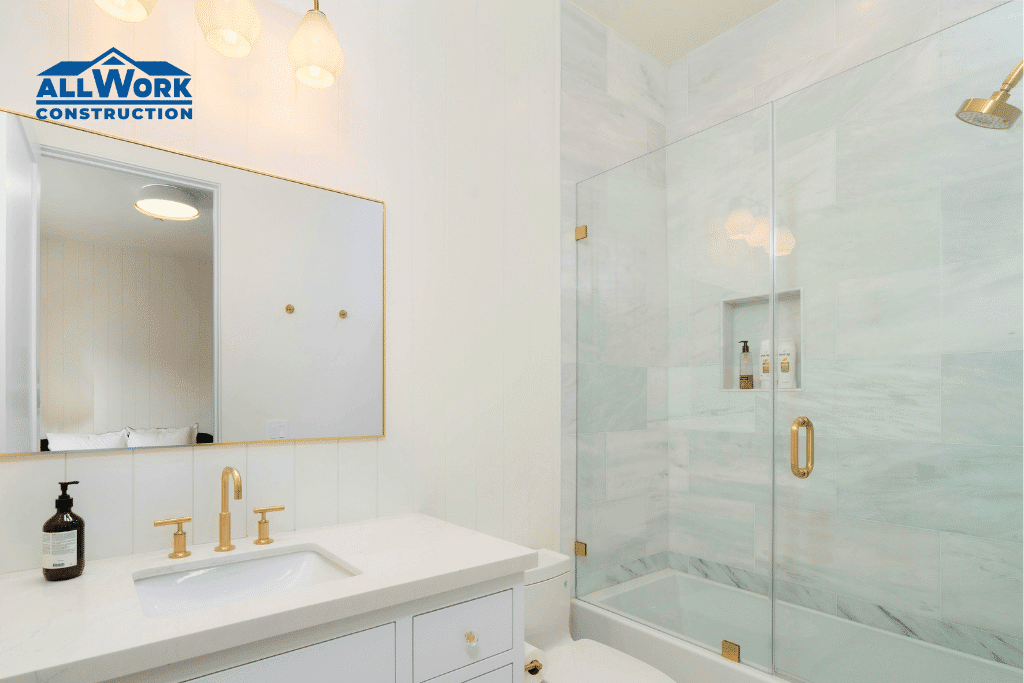
A walk-in shower makes the room feel larger, even if the actual size hasn’t changed. Fewer barriers, cleaner lines, less visual interruption.
That’s one of the reasons you’ll see more of them in recent bathroom remodeling projects across Massachusetts.
Daily Use Plays a Bigger Role Than Before
Most people don’t take baths regularly.
That’s not an assumption; it’s just how routines have shifted.
Showers are quicker. More practical. Easier to fit into a busy schedule.
So when homeowners look at their space, they start asking a simple question:
Why keep something that rarely gets used?
In many homes, especially during a bathroom remodel in Stoneham, MA, or similar areas, the tub becomes the first thing reconsidered.
Accessibility Is Changing the Decision
Another reason walk-in showers are gaining ground is accessibility.
They’re easier to enter. Safer for long-term use. More adaptable as needs change over time.
That doesn’t just apply to older homeowners.
Even younger families are thinking ahead, choosing designs that won’t need to be replaced later.
A curbless shower, for example, removes the need to step over anything. It’s a small change, but it makes the space more flexible.
Bathtubs Still Have a Place
Even with all that, bathtubs aren’t disappearing.
They’re just being used differently.
In many homes, especially those with multiple bathrooms, at least one tub is kept.
Not for daily use, but for specific situations.
Children. Occasional use. Resale value.
Buyers still expect to see a bathtub somewhere in the home.
That’s why in some bathroom remodeling Woburn, MA, projects, homeowners choose to keep a tub in one bathroom while converting another to a walk-in shower.
Space Often Decides the Outcome
Sometimes the choice isn’t about preference.
It’s about space.
Smaller bathrooms don’t always work well with a full tub setup. It takes up more room and limits layout flexibility.
A walk-in shower can open that space up.
Even a few extra inches of movement can make the bathroom feel completely different.
In tighter layouts, this tends to be the deciding factor.
Maintenance Differences Matter More Than Expected
Maintenance doesn’t come up first in most conversations.
But it becomes important later.
Bathtubs with shower combinations often have more edges, more seams, and more areas that need regular cleaning.
Walk-in showers, especially with simpler designs, can be easier to maintain over time.
Fewer corners. Fewer transitions between materials.
It’s not a major difference at first, but over time, it becomes noticeable.
Design Flexibility Has Expanded
Showers offer more flexibility now than they used to.
Different tile options. Glass panels. Built-in niches. Minimalist designs.
Homeowners can customize the space in ways that weren’t as common before.
That’s one of the reasons walk-in showers feel more modern, even when the materials themselves aren’t dramatically different.
In many bathroom renovation projects in Andover, MA, the shower becomes the main design feature rather than just a functional element.
Cost Isn’t Always the Deciding Factor
It’s easy to assume one option is cheaper than the other.
In reality, costs can be similar depending on how the space is built.
A basic tub setup may cost less.
A custom walk-in shower may cost more.
But once you factor in materials, labor, and layout adjustments, the difference isn’t always as clear.
That’s why the decision usually comes down to function, not just price.
What Homeowners Are Choosing in 2026
More homeowners are leaning toward walk-in showers.
But not all of them are removing bathtubs completely.
The trend isn’t about eliminating one option.
It’s about choosing what fits the way the space is used.
In single-bathroom homes, tubs are often kept.
In homes with more than one bathroom, showers are becoming the primary choice in at least one of them.
When Keeping Both Makes Sense
In some cases, the best solution isn’t choosing one over the other.
It’s keeping both, just not in the same space.
A larger bathroom might include a separate tub and shower.
Or the home may have different setups in different bathrooms.
That approach gives flexibility without forcing a single decision.
What Really Matters When Making the Choice
In the end, it’s not about what’s popular right now.
It comes down to how the space is actually used day to day.
Do you realistically take baths or mostly quick showers?
Will accessibility matter over time?
Does the layout give you enough room to work with?
Once you think through those points honestly, the right direction usually becomes pretty clear.
Why This Choice Feels More Important Now
Bathrooms are no longer just functional spaces.
They’re used more intentionally.
Comfort matters more. Efficiency matters more.
Small details, like how easy it is to step into the shower or how open the space feels, carry more weight than they used to.
That’s why this decision keeps coming up in modern remodels.
When the Right Choice Becomes Obvious
After the remodel is done, the difference shows up quickly.
The space feels easier to use. Movement is smoother. Daily routines take less effort.
There’s no adjustment period.
That’s usually a sign the right decision was made.
And in most cases, it wasn’t about following a trend.
It was about choosing what actually fits the way the bathroom is used.